
We have received payment for the content in this article. Learn more.
Riding a motorcycle is thrilling, but staying safe on the road is a constant priority.
Whether you’re weaving through city traffic or cruising a country lane, your bike’s braking system must respond quickly and reliably. Good brakes are not just about stopping power, they’re about confidence and control.
Why is the braking system important?
Your braking system isn’t just a single part, it’s a group of carefully designed components that work together. Each one must function well to ensure smooth and safe deceleration. From the brake pads and discs to the callipers and fluid lines, everything needs to be in top shape.
Unlike cars, motorcyclists don’t have the extra protection of a steel frame around them. That makes good braking even more important. A well-maintained system can make the difference between a safe stop and a serious accident.
According to the Department for Transport, nearly 25% of serious motorcycle accidents involve braking issues or failure to stop in time. Across the EU, motorcycles represent only 2% of traffic but account for 16% of all road deaths. Many of these incidents happen during emergency stops where braking systems are pushed to their limits.
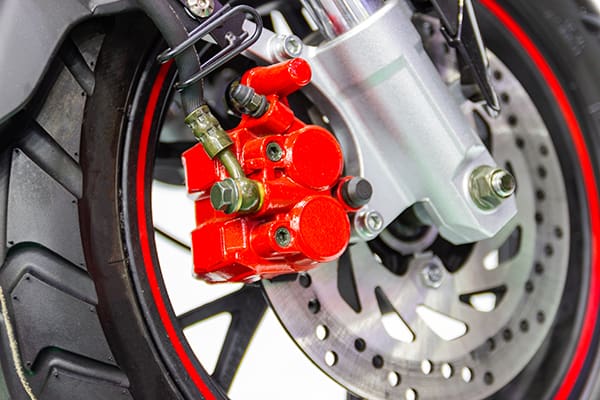
One of the most important parts in the system is the brake calliper. This is the component that pushes the brake pads against the disc, creating the friction needed to slow down. If this gets stuck or clogged with dirt, the braking performance drops quickly.
To keep the calliper working properly, regular maintenance is essential. This includes cleaning the surface, lubricating the guide pins and checking for any signs of leaks or corrosion. The frequency of motorcycle calliper replacement depends on usage, environment and maintenance habits, but as a rule of thumb, visible wear or any mechanical sticking should not be ignored.
If any part shows clear signs of damage, it’s safer to replace it early. You can often change just the faulty components instead of the entire calliper assembly.
The chain and its connection to safety
While it’s not directly part of the braking system, the motorcycle chain also plays a major role in overall safety.
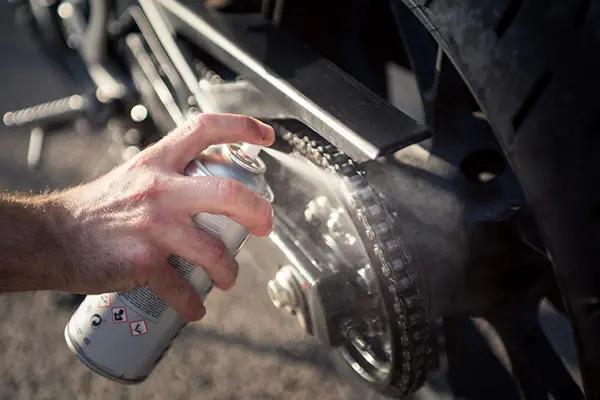
A dry or dirty chain can wear out faster, and in extreme cases it might even snap while riding. That’s not something any rider wants to experience.
Experts recommend applying chain lubricant every 400–600km, or more often if you’ve been riding in wet conditions. This simple task can prevent many mechanical problems and ensure a smoother, quieter ride.
According to online parts retailer AUTODOC: “We need to remember that this chain is an integral part of the vehicle. It is much better to perform a bit of timely maintenance as opposed to waiting until serious wear and tear become visible.”
It’s in the details
It’s not only the mechanical parts that matter. Clear headlights and clean plastics help you stay visible to others, especially in low light or bad weather. Polishing these surfaces can improve both safety and appearance.
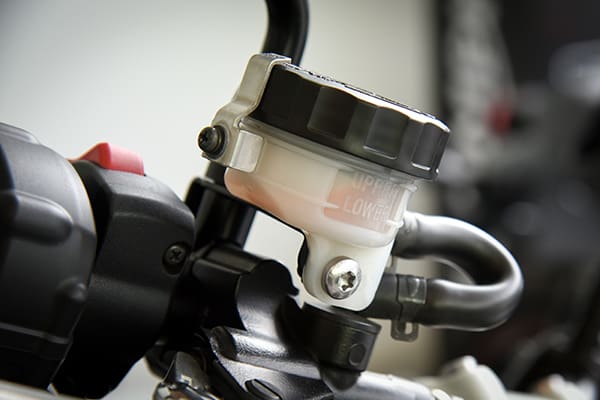
Brake fluid is another element worth monitoring. It attracts moisture over time, which reduces its effectiveness. Replacing the fluid according to your motorcycle’s maintenance schedule keeps the system responsive.
Those key maintenance tasks are:
| Component | Recommended check/service interval |
| Brake callipers | Inspect every 6000 km or 6 months |
| Brake fluid | Replace every 1–2 years |
| Chain lubrication | Every 400–600km or after riding in rain |
| Headlight cleaning | Monthly or as needed |
Keeping your motorcycle safe doesn’t require advanced skills or tools – just regular attention and a few smart habits. Focus on the key areas like brakes, the chain and visibility. Even the smallest part, if neglected, can lead to bigger problems down the road.
Maintaining your bike properly means you can enjoy every ride with confidence, knowing your machine will respond exactly when you need it to.